£50 off every £500 spent
Special Buys - £50 off every £500 spent
End of Season Stock Event
Clearance up to 50% off
With a huge selection of dining options in a number of styles - including tables, chairs, and sideboards - it’s easy to create the dining room of your dreams with Furniture Village. Explore our number of shapes and sizes for a range of interior styles - the perfect dining room is just a scroll away.
Dining Table & Chairs
Dining Tables
Dining Chairs
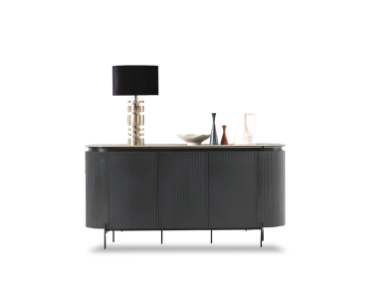
Sideboards
Display Cabinets
The classic draw-leaf extending dining table meets contemporary seating in a dining set that's stylish, relaxed, comfortable and designed to save space in a smaller dining room.
Practical storage plus a finish that brings the wow factor – this statement sideboard features a gorgeous marble-effect ceramic top and brushed stainless steel accents.
Dinner parties last longer with stylish and comfortable guest seating like this pair of dining chairs from our Grigio range. We love these dining chairs’ cantilever bases.
Available in two sizes, this sophisticated dining set with a ceramic-topped extending dining table is perfect for compact spaces and larger dining rooms alike. This set includes six dining chairs.
Here’s the ultimate industrial dining table. With its solid rustic oak top and grey metal legs, it’s sturdy and stylish and perfect for family dining as well as grownup gatherings.
This beautiful dining set is perfect for compact spaces and comprises a round extending dining table with a ceramic top and four swivel dining chairs.
Give any dining area instant character with this pair of dining chairs from our industrial Earth collection. They're upholstered in soft faux leather with quilted-effect stitching.
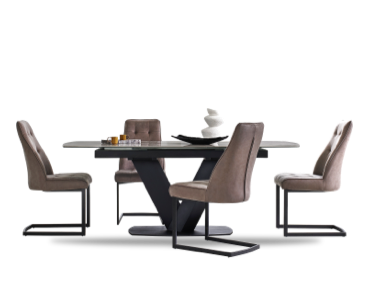
All the elegance of marble, all the durability of ceramic. The elegantly patterned ceramic extending dining table in this dining set delivers form as well as function. This dining set includes four chairs.
Here’s a new spin on sleek dining style for more compact spaces. The high-gloss ceramic dining table swivels to extend and the dining set’s six dining chairs have swivel bases.
You’ll love this extending dining table’s slick swivel mechanism that makes it so easy to seat two more in style. This dining set comes with four swivel dining chairs.
Sleek and modern, our Cupra dining set delivers statement style in high-gloss ceramic and black metal – and practical design in the space-making V-shaped base and layer of tempered glass.
With versatile seating, an authentic industrial look and one-of-a-kind solid rustic oak dining table, this great-value dining set is just perfect for your dining room.
Set the scene for a casual family supper or grand dinner party with beautiful dining furniture. Elevating your dining space gives your room a welcoming feel. With a variety of shapes, colours, materials, and sizes, you’ll be able to create a dining room that suits the family.
It’s important to first think about how you can make sure your dining room looks exactly how you want it to, whilst being practical. With our range, you can rest assured knowing that you’re getting both quality and comfort. If you have a large family that includes younger children, extending dining tables make the most of your space, while sideboards and display cabinets provide useful storage. An easy-to-clean surface, like ceramic, is also a great family-friendly option. Not only does it look stunningly chic but it’s also practical for those inevitable spillages. And the same goes for your dining room seats - if you need to fit a lot of people around the table, a dining bench is the perfect stylish solution.
You’ll enjoy walking into your dining room and marvelling at the harmonious tones and shapes time and time again. For those who like minimalism, choose dining room furniture with crisp lines - whether these are gorgeous chair legs or a slim cabinet. Explore the simple yet eye-catching designs with little to no patterns for a truly sleek look. If the glam effect is what you like, chrome furniture features are the perfect option to create those striking visuals that you love. Paired with classic grey furniture, from wood to chenille, these cool tones are perfect for your glam dining space. For a contemporary dining space, dining chairs with a low back, paired with a round dining table in wood or a high-gloss finish give a sleek and stunning look. Decorating your dining table with flowers and vases elevates a dining room, making the space a focal point even when it’s not in use.
Our dining sets come in every style from rustic to ultra-modern. Of course, the interior designer within you will want to accessorise your space accordingly so, whatever your style, there’s a range of on-trend and classic pieces for you to choose from. Your dining room will exude class with wooden dining sets, paired with beautifully crafted sideboards. Not only are sideboards perfect to store your fancy cutlery in but they’re also a great piece to accessorise. Place stunning wall art above or resting on the sideboard to tie the room together beautifully. Make sure to check out our design inspiration guides for dining rooms to discover our best tips for creating your dream space, whether you’ve got in mind a modern country look, a geometric style dining room or anything in between.
Dining room furniture should be practical, but it also needs to look gorgeous in your dining space or kitchen. Once you’ve taken the time to carefully choose your favourite furniture, be sure to take good care of it. You’ll find plenty of expert advice on looking after your dining room furniture in our dining furniture care guide. Creating the perfect dining space is made easy with our guide to transforming dining rooms. Make sure to have a read to gather inspiration for your own home.
Enter your email address to receive your discount code.
We have also emailed this code to your email address.
*Voucher not to be used in conjunction with Clearance, any other offer or voucher. Minimum spend of £250 applies. You'll receive our latest news and offers by email, unsubscribe at any time. See privacy policy and terms and conditions.
Enter your email address to recieve your discount code.
*Voucher not to be used in conjunction with Clearance, any other offer or voucher. Minimum spend of £250 applies.
The browser you are using does not support our magic.
To continue browsing Furniture Village, please install the latest version of any of the browsers listed below.